Robert Wood
-
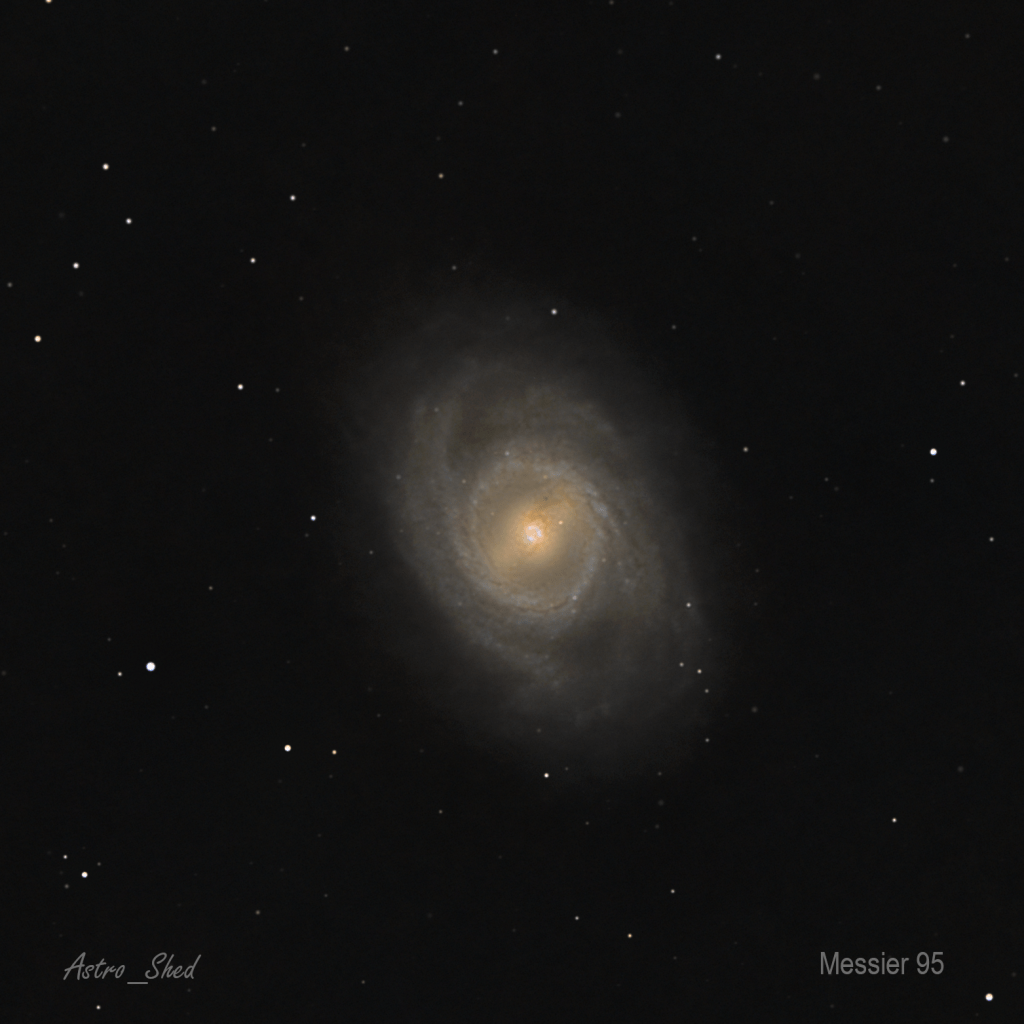
Exploring the Structure of Messier 95 Galaxy
Messier 95 was discovered by Pierre Mechain in 1781, marking it as one of the noteworthy entries in the Messier catalog. It is a 9.7 magnitude galaxy located in the constellation Leo, a region of the sky known for its rich collection of astronomical objects. This stunning spiral galaxy lays about 33 million light-years from…
-
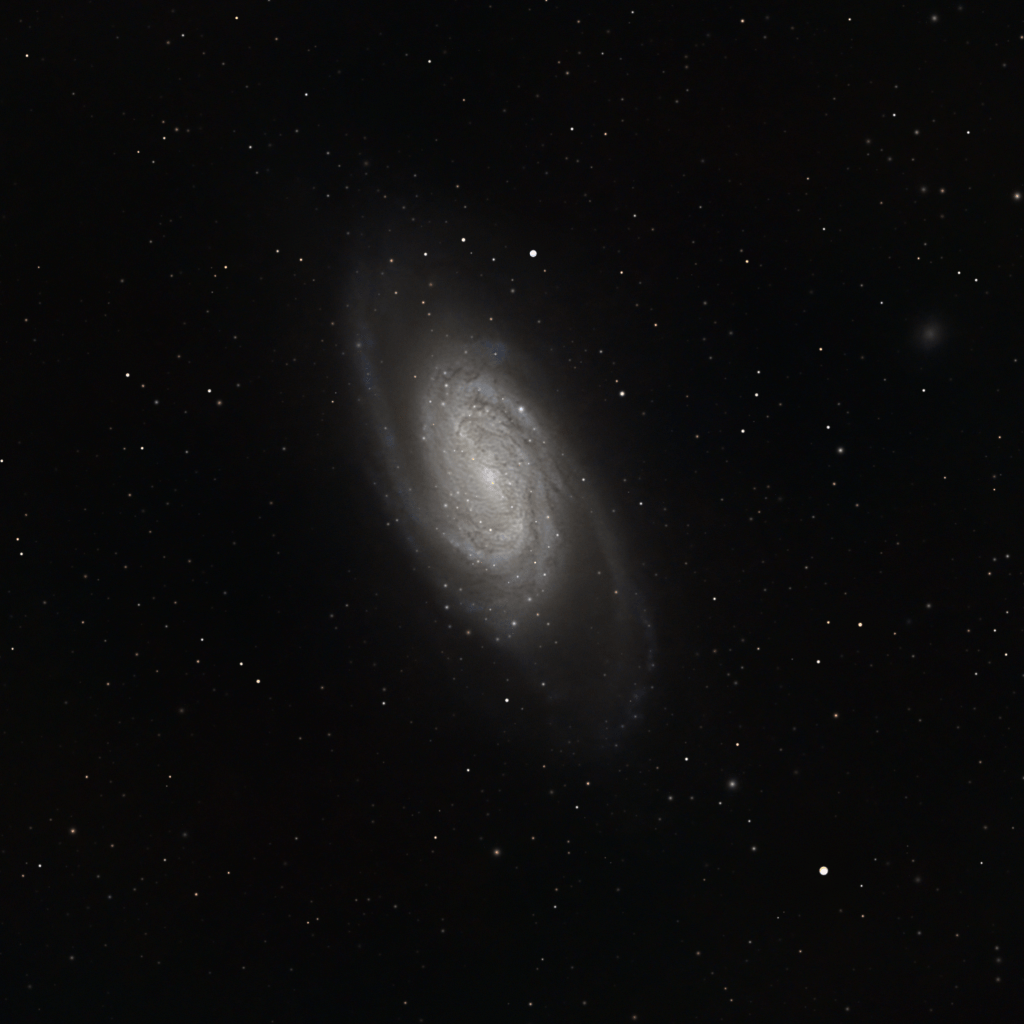
Photographing NGC 2903: A Springtime Astronomical Gem
Today’s capture is that of NGC 2903. It was somehow missed by Charles Messier when he was compiling his catalog of large bright objects. It was eventually discovered by the astronomer William Herschel in 1784. He originally cataloged it as two separate “nebulae”, NGC 2903 and NGC 2905. A century passed before the 3rd Earl…
-

M65, M66, and NGC 3628: Discovering the Leo Triplet
The Leo Triplet, as the name implies, is a magnificent group of three galaxies. They are located in the Leo constellation, which lies in the northern celestial hemisphere. The trio consists of the galaxies NGC 3628, M65, and the well-known M66. Each of these galaxies exhibits unique characteristics and intriguing features. This group belongs to…
-

How to Image Emission Nebulae Despite Full Moon Challenges
This week brought with it a problem for the astrophotographer, the nearly full moon. The full moon is much like light pollution in that its reflected light causes the sky to brighten and this creates a situation where the contrast for dim objects is lost. The astrophotographer would normally have two options, image the full…
-
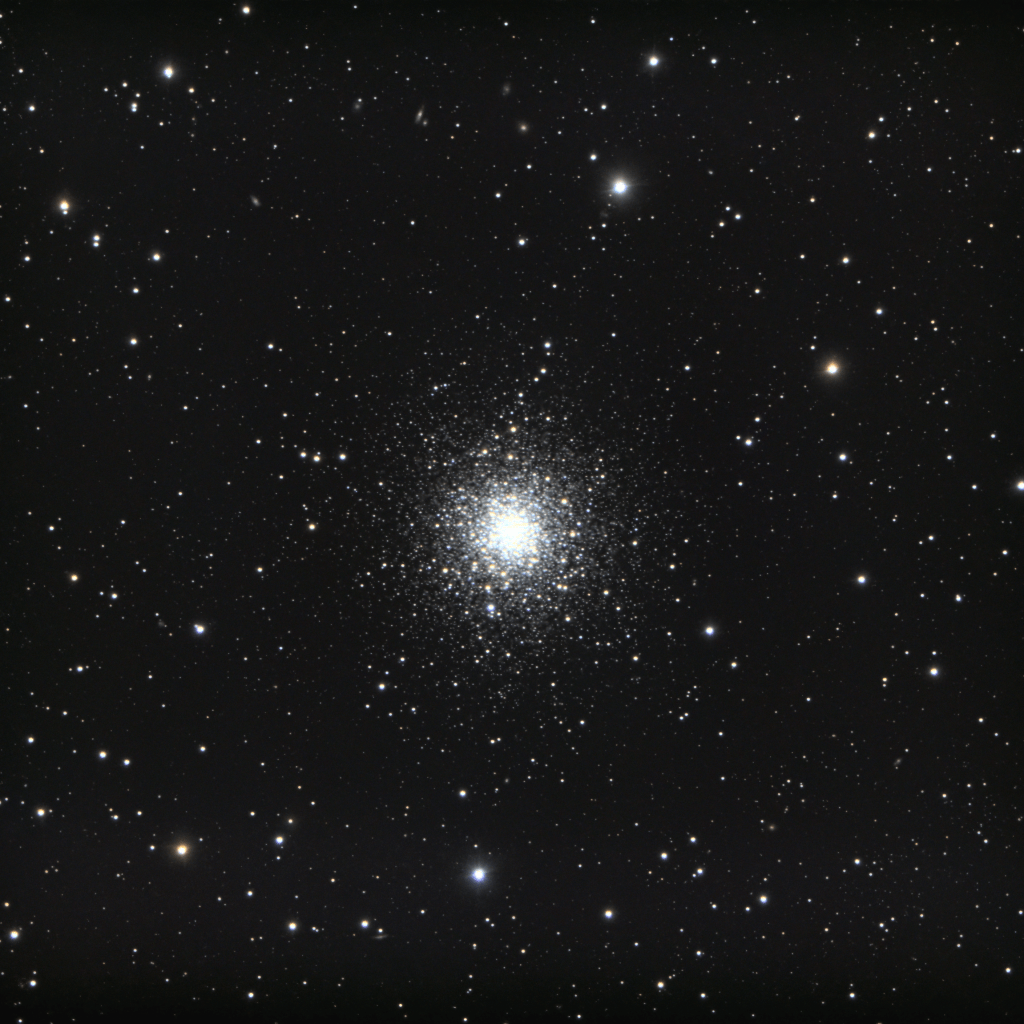
Messier 79: Discoveries and Insights on Globular Clusters
Globular clusters occupy a significant place in our understanding of the structure of our own Milkyway Galaxy. Messier 79 is one such example of a globular cluster. It is located in the constellation Lupus, the Hare, just south of Orion. It was discovered in the early 20th Century that globular clusters contained a special type…
-

The Wolf-Rayet Star WR7: Heart of Thor’s Helmet Nebula
This week’s capture is that of NGC 2359, Thor’s Helmet. This is a beautiful nebula in Canis Major. It comprises a central illuminated bubble-like structure attached to two prominent “wings” giving rise to its name. There is however much more to this superhero’s headgear when we start to peel back its layers. At the heart…
-

M81: Capturing the Grand Design Spiral Galaxy
This week we bring you the companion galaxy to last week’s target, Messier 81, commonly called “Bode’s Galaxy.” M81 was discovered in 1774 by Johannes Bode and then cataloged by Charles Messier again in 1779. It sits in the Northern area of Ursa Major, or more commonly known as the Big Dipper. It is a…
-
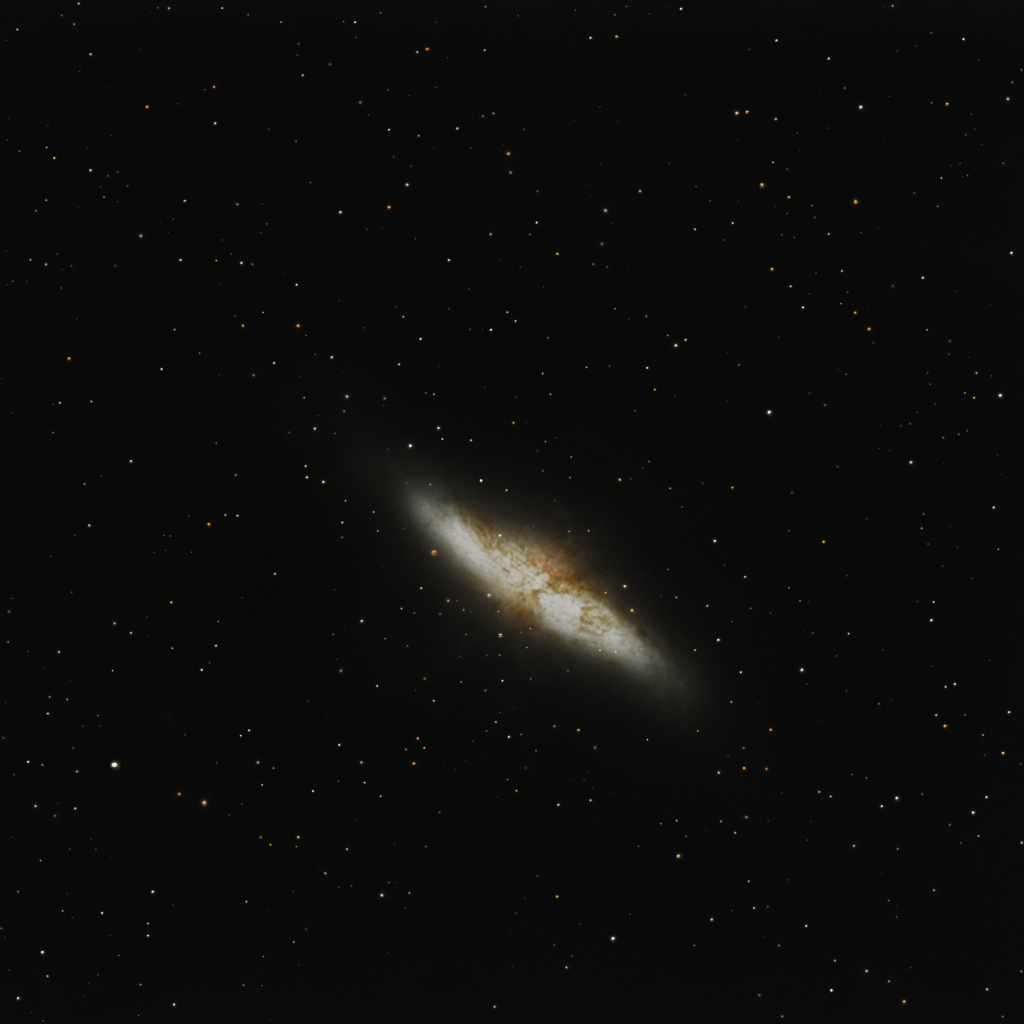
Spring Skies: Discover the Starburst Galaxy M82
With the coming of spring, we start to see a parade of galaxies come across our skies which gives us an opportunity to look further back in time and explore the origins and evolution of our own galaxy by observing other galaxies around us. Today’s capture is Messier 82, a unique galaxy in our neighborhood.…
-
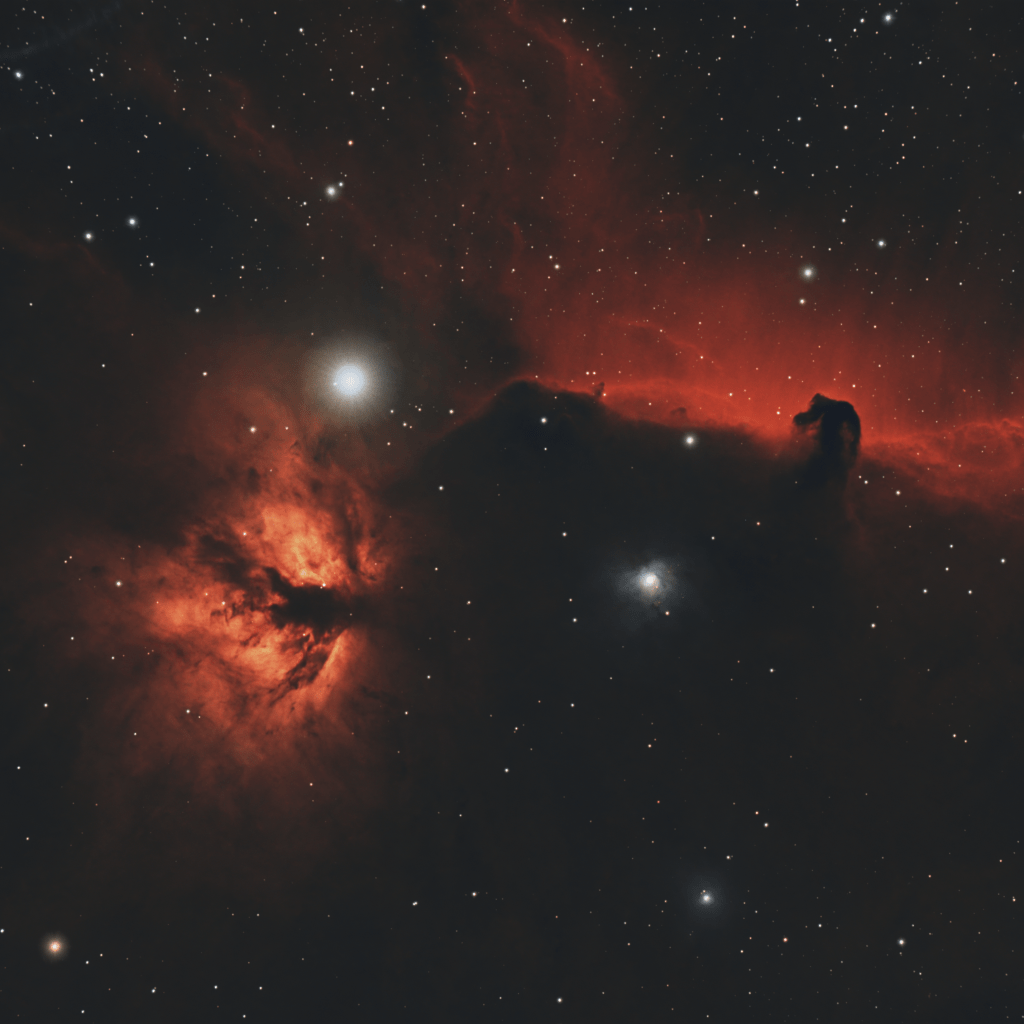
The Flame and Horsehead Nebulae: A Cosmic Duo
Today’s image is an iconic image captured in December of ’24 featuring the Flame and Horsehead Nebulae. While these two nebulae in themselves are absolutely beautiful, there is a lot more in this image to be explored, so let’s get into it. NGC 2024, commonly called “The Flame Nebula,” is an emission nebula. A dark…
-
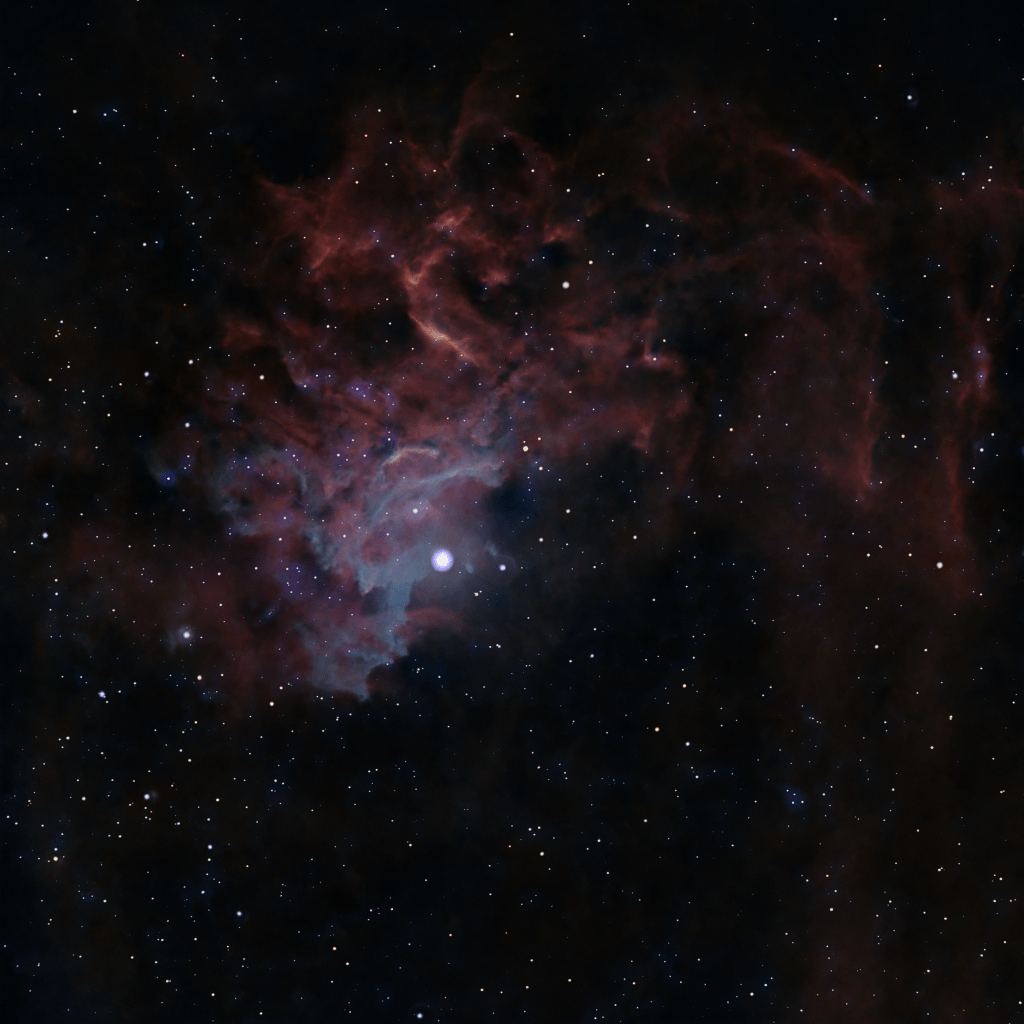
Understanding IC 405: Emission and Reflection Nebula Insights
This week’s image is that of IC 405, otherwise known as the Flaming Star Nebula. It resides approximately 1,500 light years away in the constellation of Auriga. The nebula consists of both an emission and reflection nebula. The bright star in the center is AE Auriga and is a hot blue star. The energy from…
 Astro-Shed