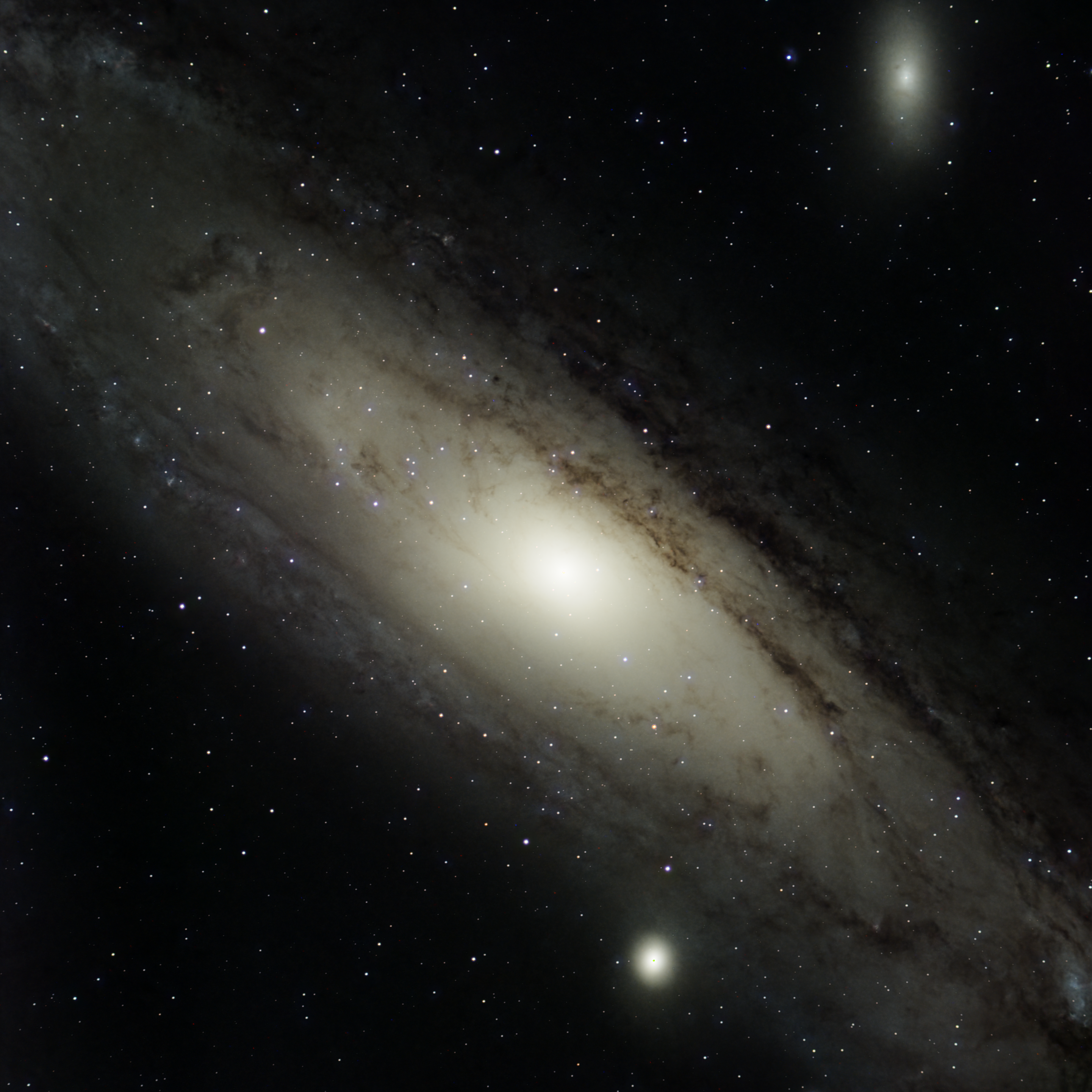
Originally, galaxies were thought of as a class of nebulae, there was no understanding that these objects were outside of our own Milkyway galaxy. Then in 1922, a distance estimate was made using Cephid variables in the Andromeda galaxy which determined that Andromeda lay outside the confines our own galaxy.
Sir Edwin Hubble was a major researcher in galaxy morphology, whose pioneering work significantly advanced our understanding of the universe’s structure. He made a classification of galaxies based on their shapes, introducing a system that categorized them into distinct types, such as elliptical, spiral, and irregular galaxies. This classification not only provided a framework for astronomers to study galaxies systematically but also laid the groundwork for future research in cosmology, revealing critical insights about the formation and evolution of galaxies over billions of years.
Hubble further divided spiral galaxies into “barred” and “unbarred,” depending if the spiral arms terminated at a central bar, 180 degrees from each other. If the spiral arms were terminated randomly around the center of the galaxy, then it was “unbarred.”
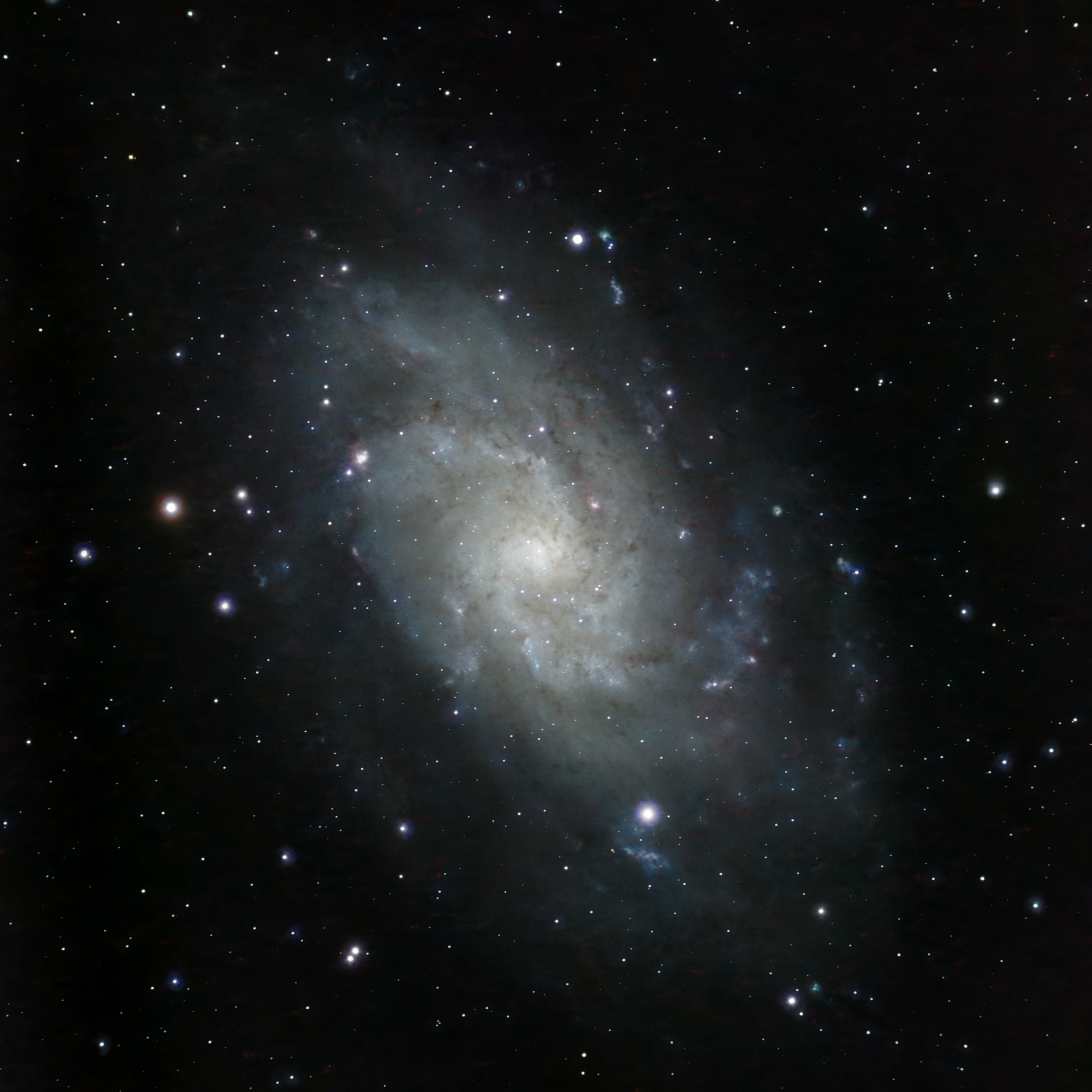
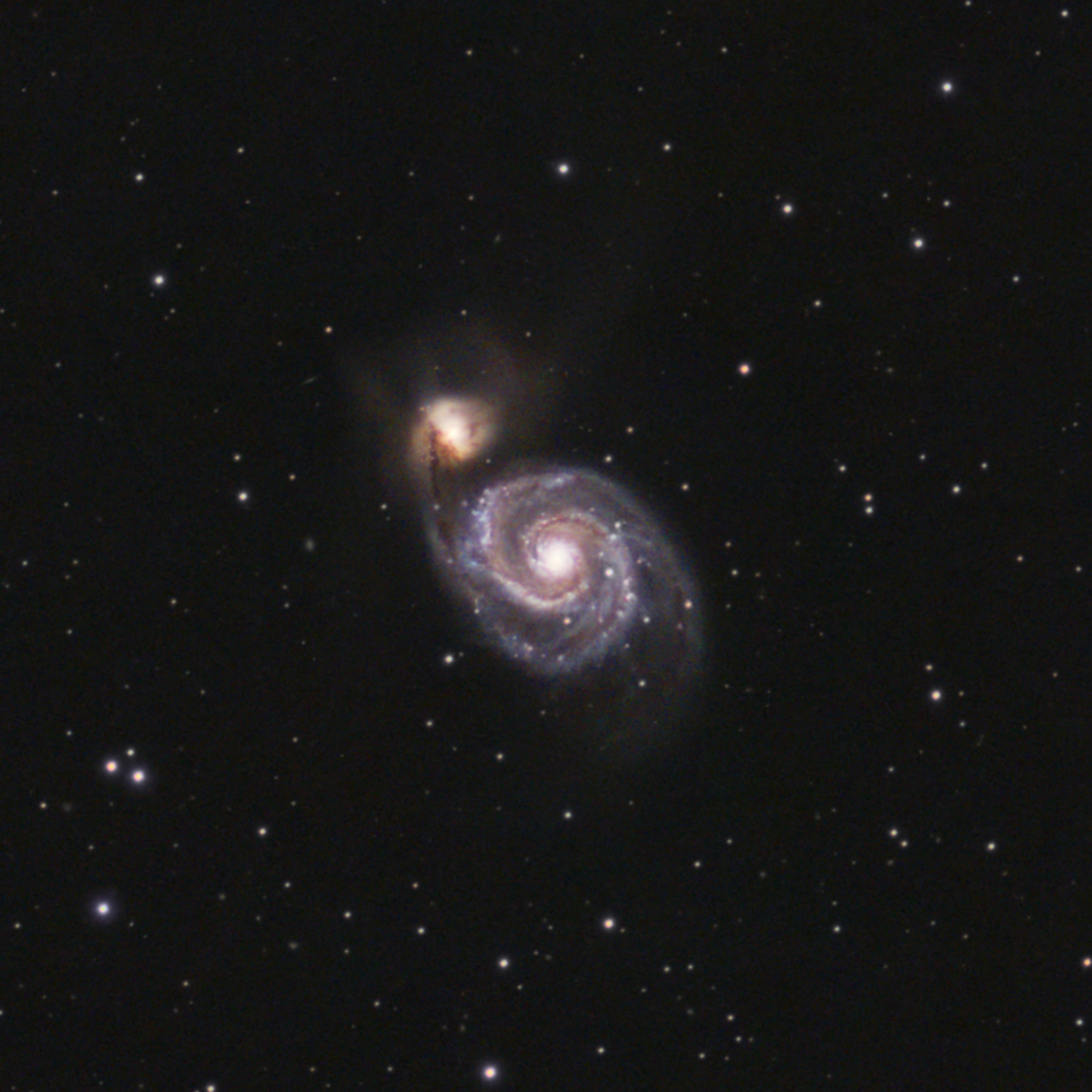
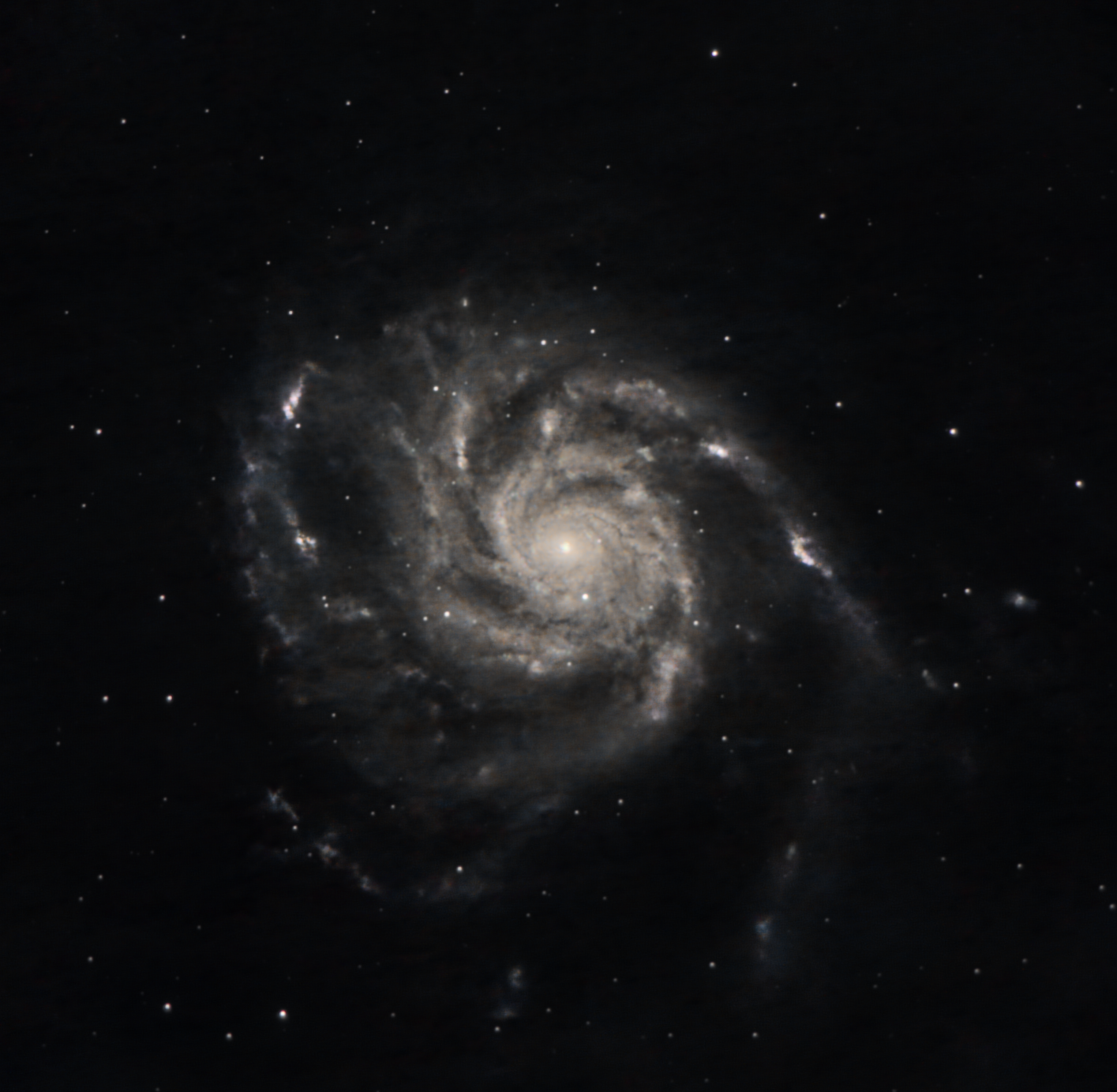
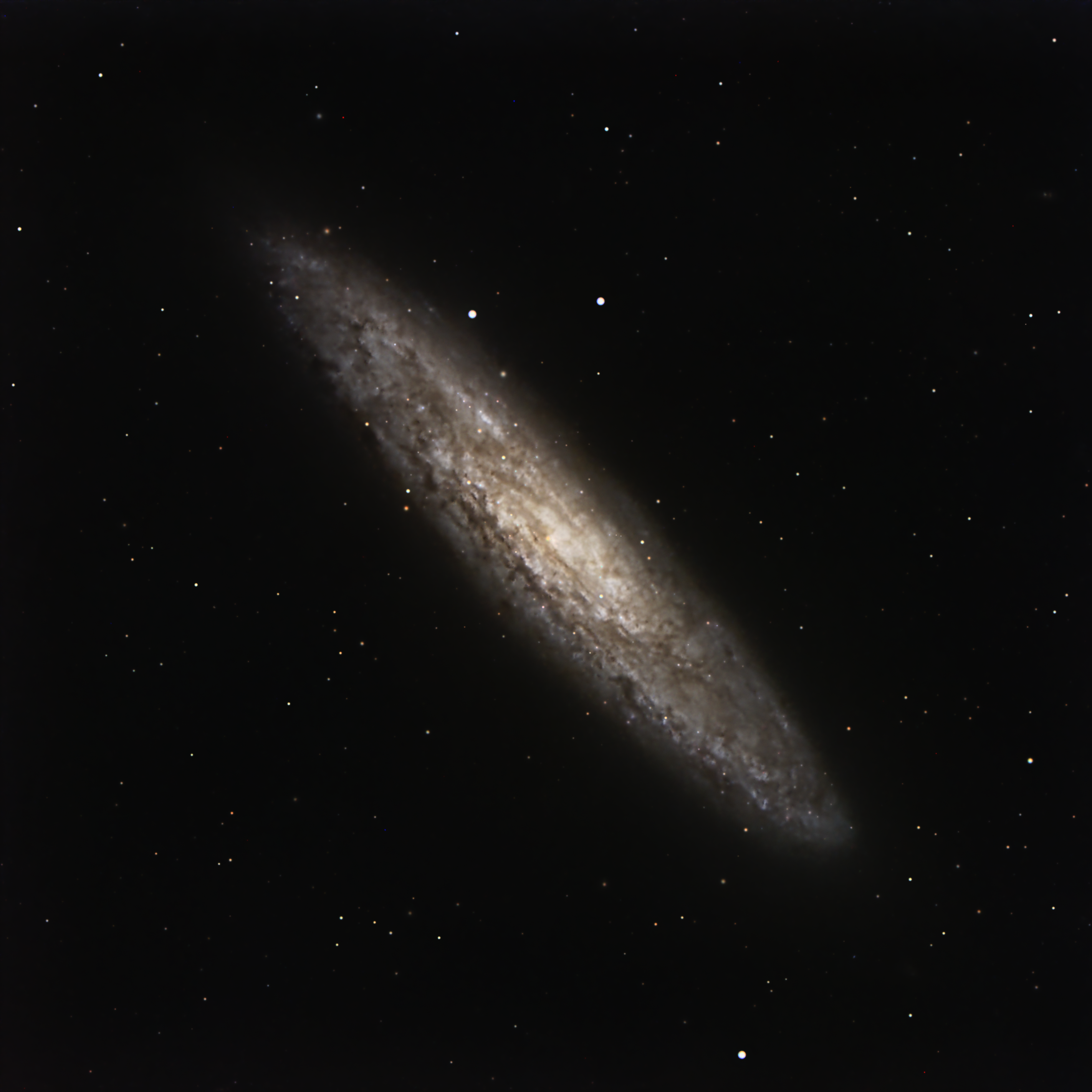
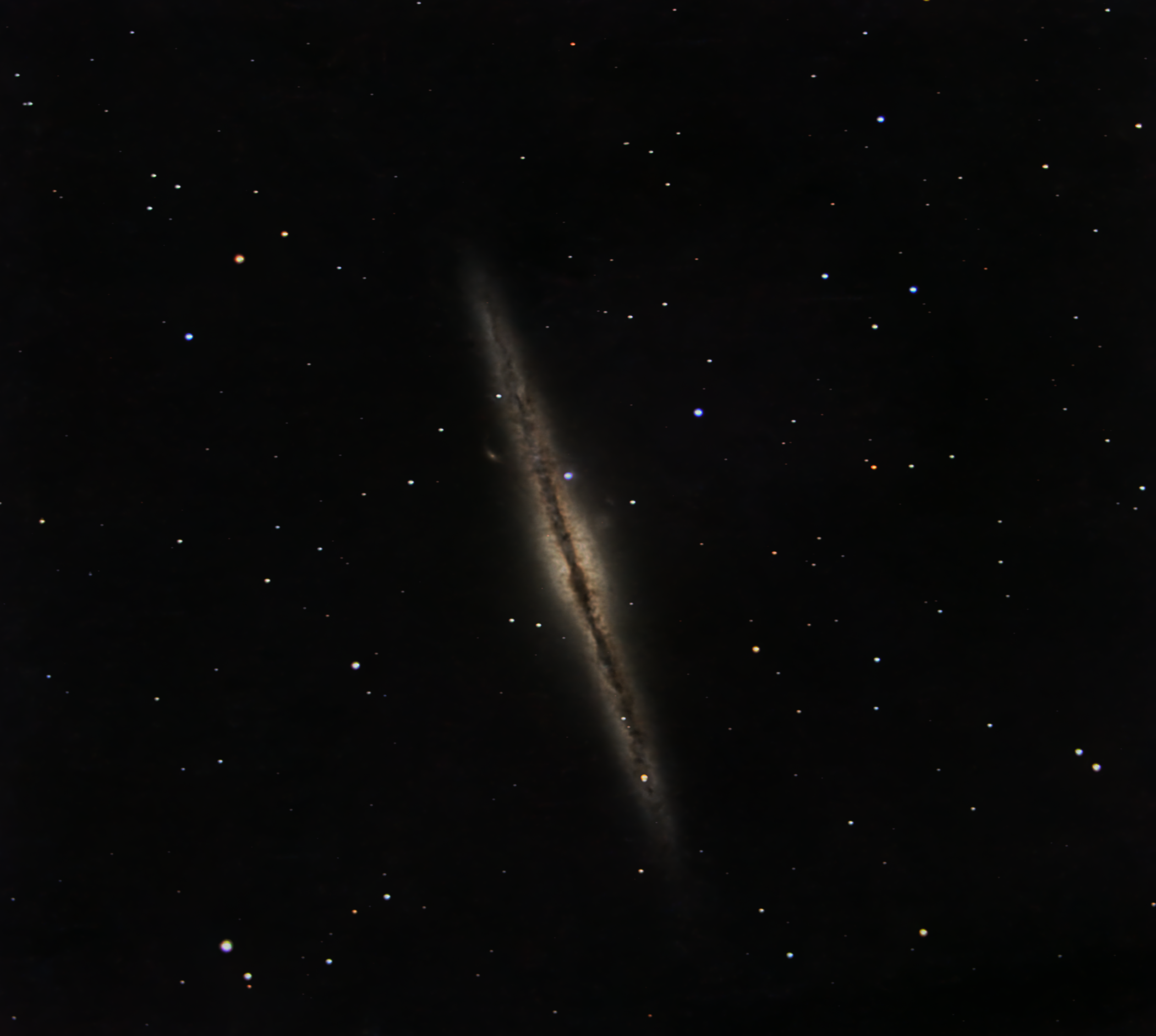
The image at the top left is the Andromeda galaxy, a beautiful spiral galaxy with two elliptical companion galaxies. Spiral galaxies tend to be rather flat. The bottom three images show spirals at different viewing angles making a wonderful variety for imaging. The edge on galaxy at the lower right is displaying a dark dust lane bisecting its disk, not unlike the one in our own Milkyway galaxy.
Center right is a pair of galaxies which are gravitationally bound. The larger of the two is undergoing a process where stars are being born at an accelerated rate. We call this a “Starburst ” galaxy.
Lastly at the upper right is another beautiful galaxy in the Triangulum constellation. It appears to be a “barred” galaxy.
 Astro-Shed