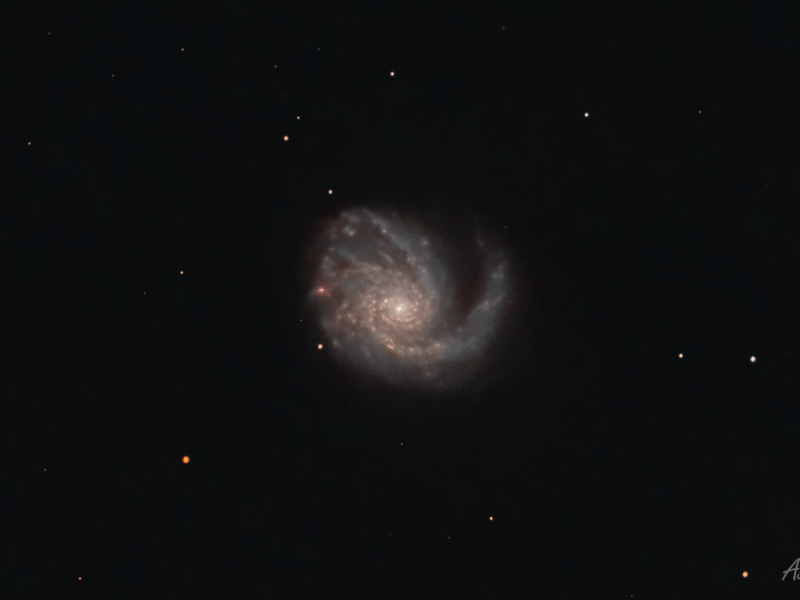
Discover the Wonders of Spiral Galaxies
With Spring comes the opportunity to observe and image galaxies. Galaxies are one of my favorite objects of the night sky due to their diversity and details. This week we’re going to look at spiral galaxies and in particular some unique features of spiral galaxies. I’ve provided examples of Spirals, Barred Spirals and Intermediate Spirals…
Keep reading
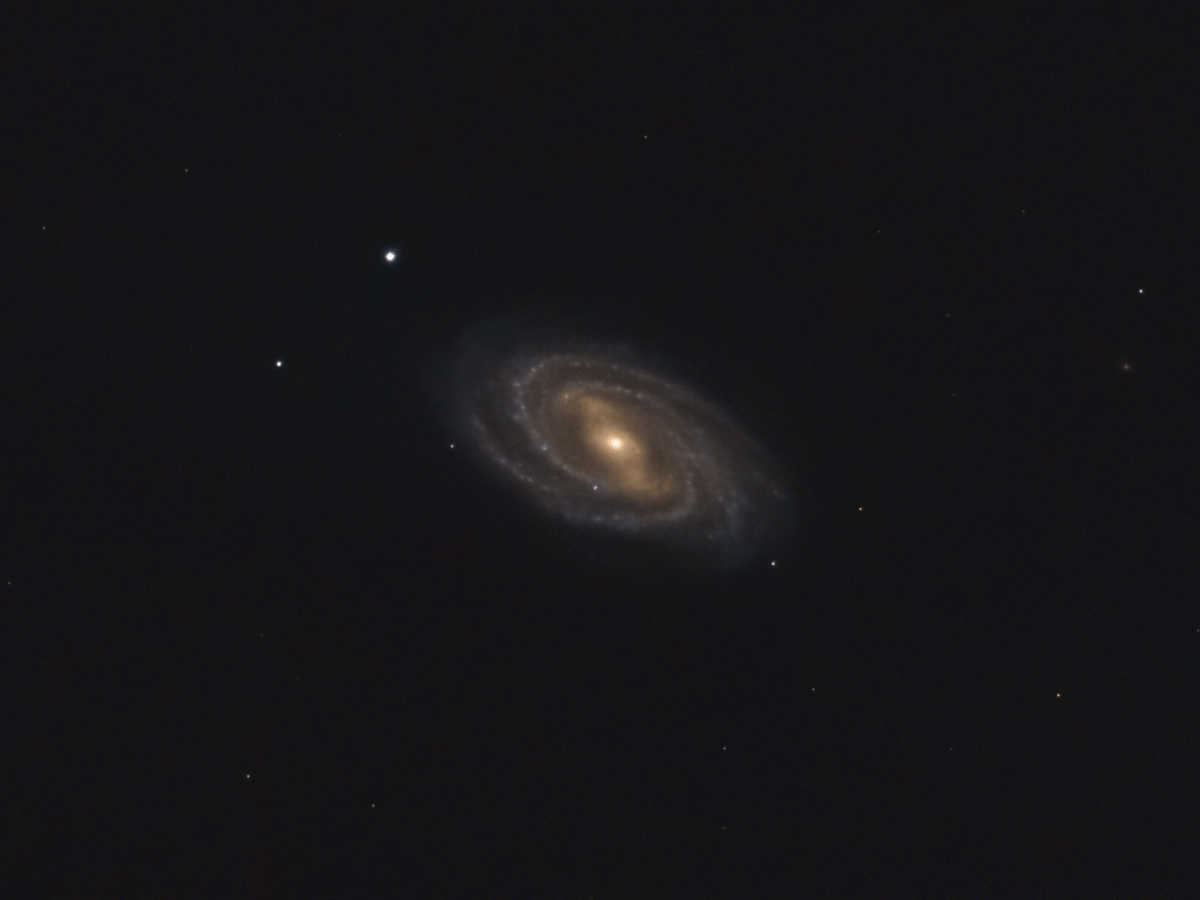
Messier 109 – Galaxy Season Starts Here….
With every spring comes what Astro imagers call “Galaxy Season.” This is the one time when our little planet’s orbit around its sun allows us to look perpendicular to our home galaxy’s disc during the night-time hours. Looking perpendicular to the Milky Way’s disc reveals an area of space where galactic dust and stars no…
Keep reading
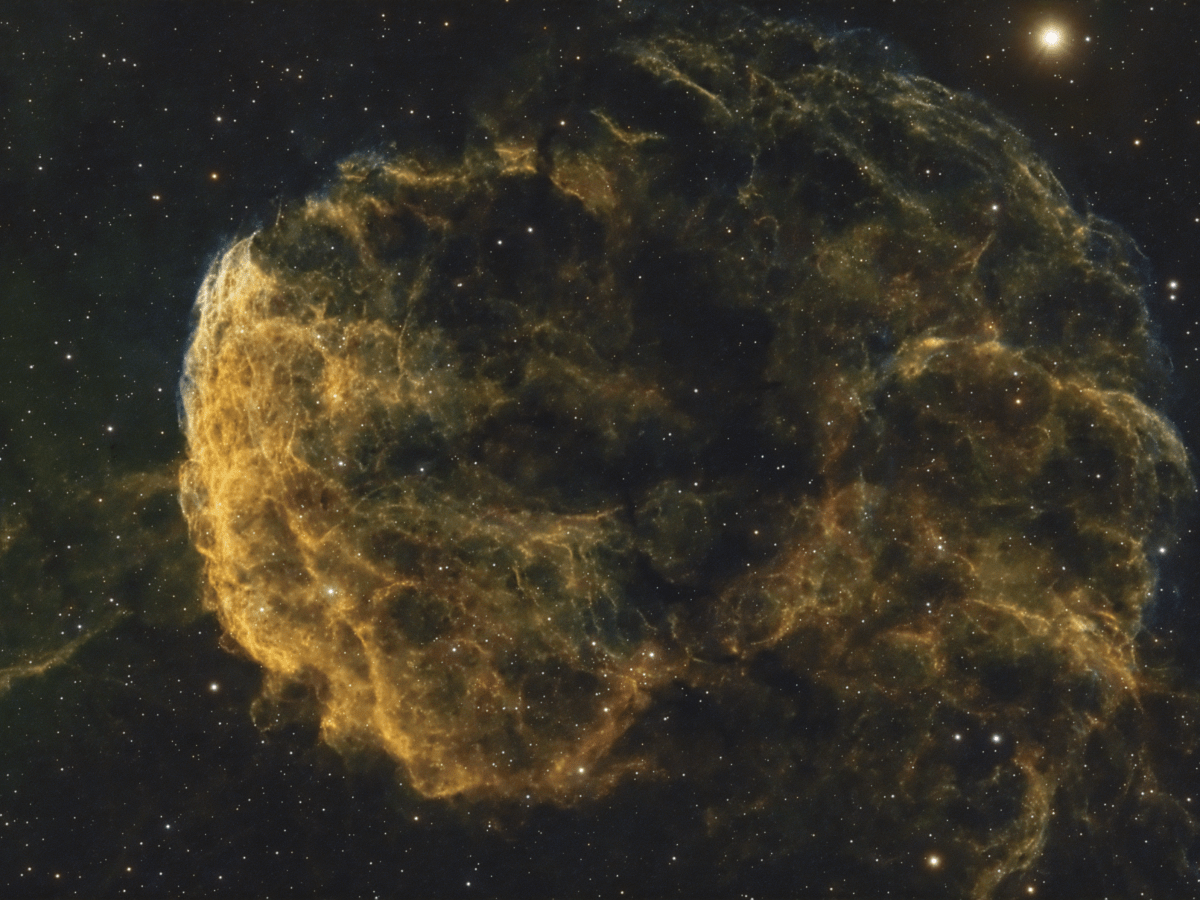
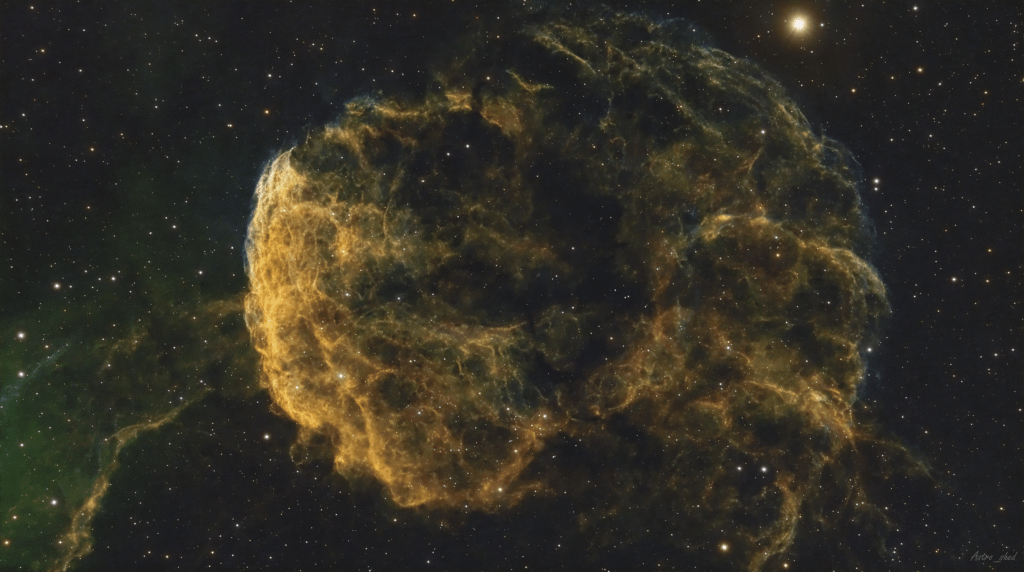
How AI Enhanced My Imaging of the Jellyfish Nebula
Sh2-248 is the Jellyfish Nebula, a supernova remnant in Gemini. Visually it’s a lacy web of shock-heated filaments: strong Hα arcs and lots of O III structure that can give it that teal/blue “glow” in narrowband. It sits near the bright star η Geminorum (Propus), and spans roughly ~45–50 arcminutes (bigger than the full Moon).…
Keep reading
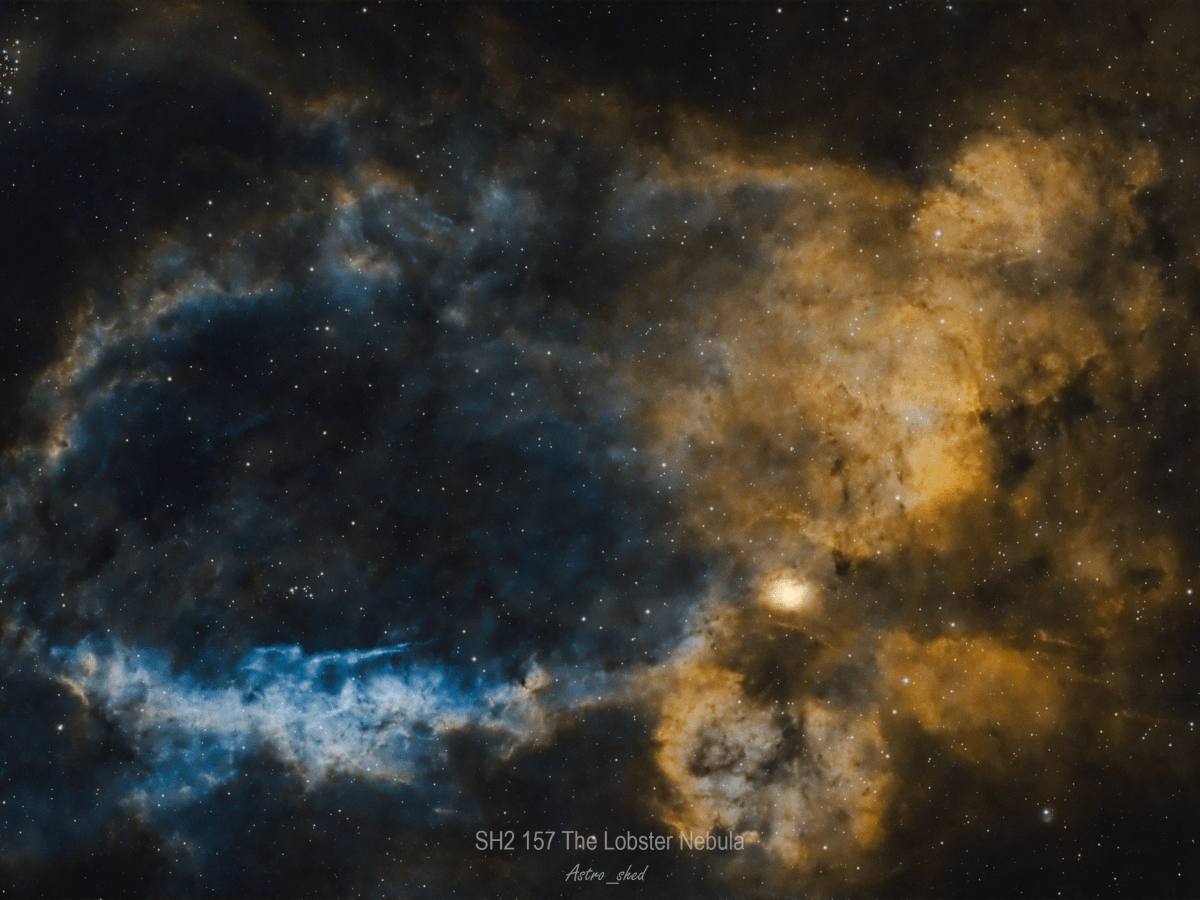
Understanding the Unique Features of Sharpless 157
Sharpless 157 is a sprawling HII emission nebula sitting on the Cassiopeia/Cepheus border. It is approximately 8,000 to 11,000 light years away and spans about 1 arc degree of the sky. It consists of two different parts. The blue “claw” part on the Northern (left) side is a ring nebula surrounding Wolf Rayet Star WR…
Keep reading
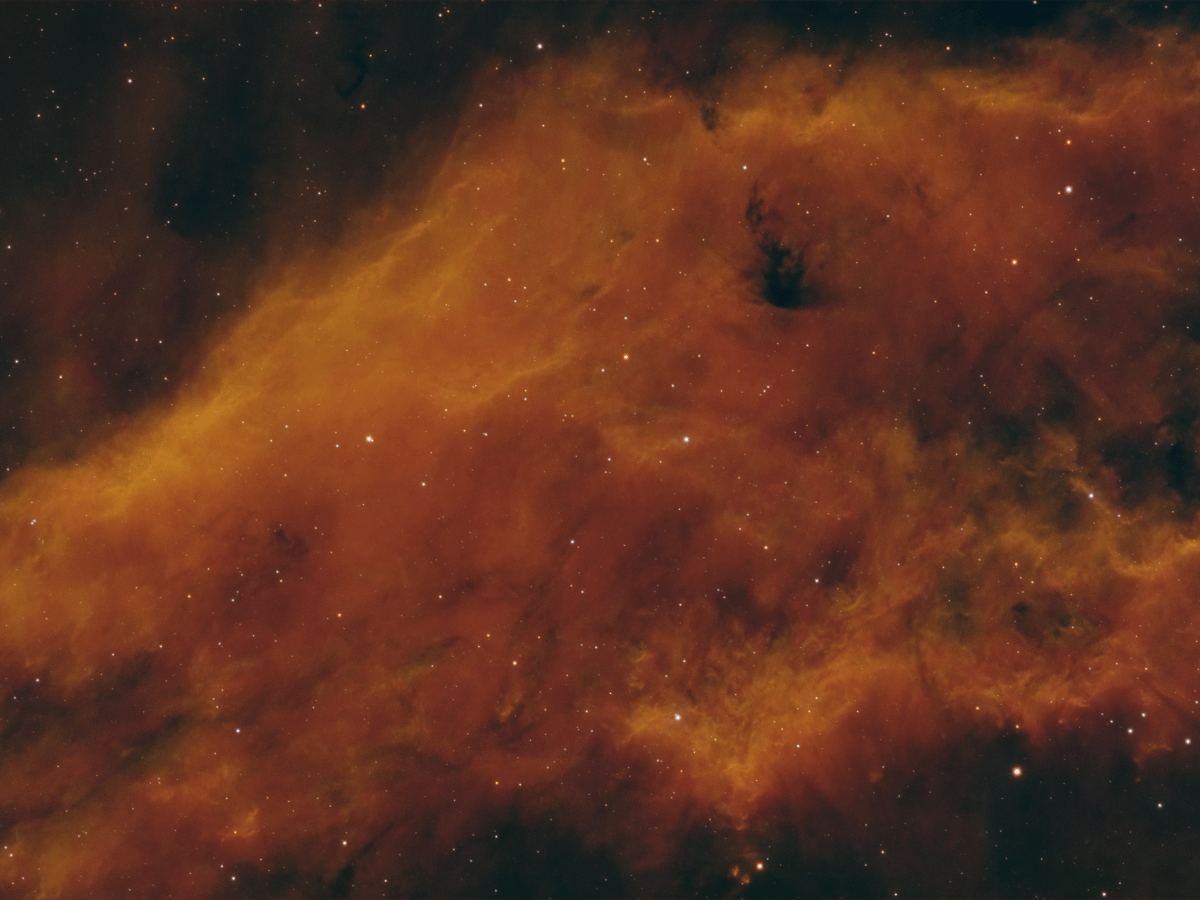
Astrophotography of NGC 1499: The California Nebula Unveiled
NGC 1499, commonly known as the California Nebula, is a large emission nebula in the constellation Perseus. Stretching roughly 2.5 degrees across the sky, its elongated shape resembles the outline of the U.S. state of California. The nebula lies about 1,000 light-years away and is composed primarily of glowing hydrogen gas energized by the nearby…
Keep reading
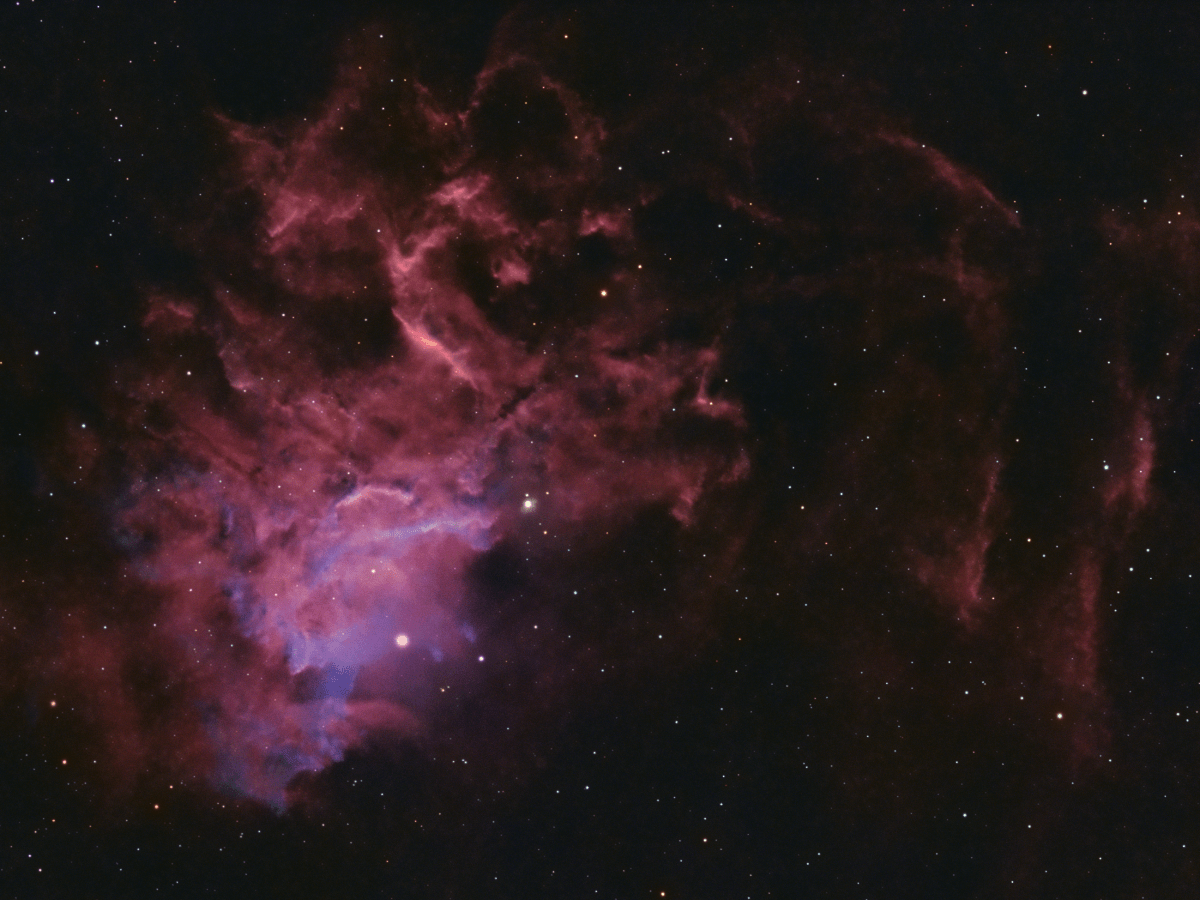
IC 405 – A Chance Encounter with a Runaway Star
It probably seems by my posts that all nebulae are stellar nurseries. This week I captured one that is not a stellar nursery but a very unique nebula. Description IC 405 is visible only because of a chance meeting with a star, AE Aurigae. AE Aurigae is a large, hot O-type star 1,300 to 1,500…
Keep reading
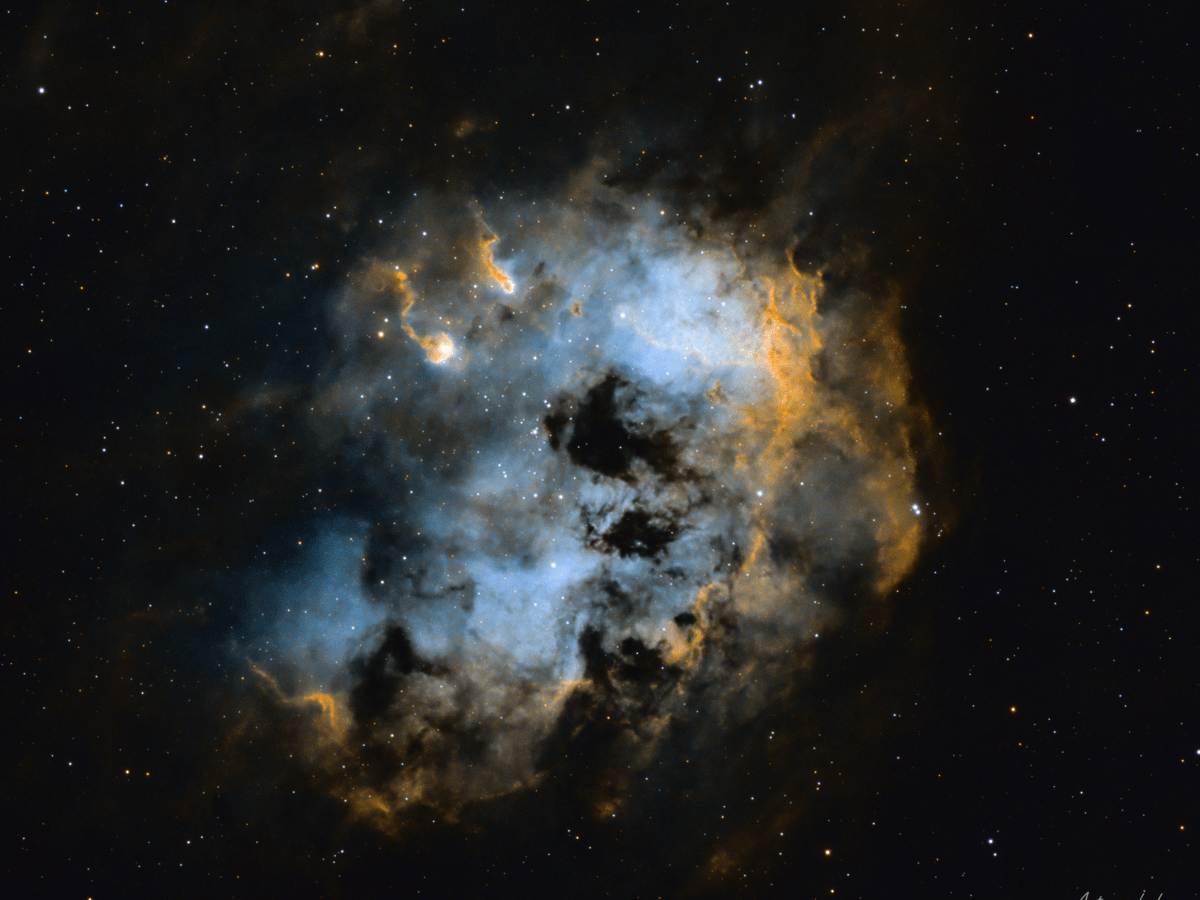
Exploring IC 410: The Tadpole Nebula and Stellar Formation
Emission nebulae populate the spiral arms of our galaxy. Scientifically, they offer us a window into stellar formation. Aesthetically, they make wonderful targets for the astrophotographer. IC 410 is an example of one of these beautiful nebulae. IC 410 is an expansive cloud of ionized hydrogen known as an HII region. The cloud glows due…
Keep reading
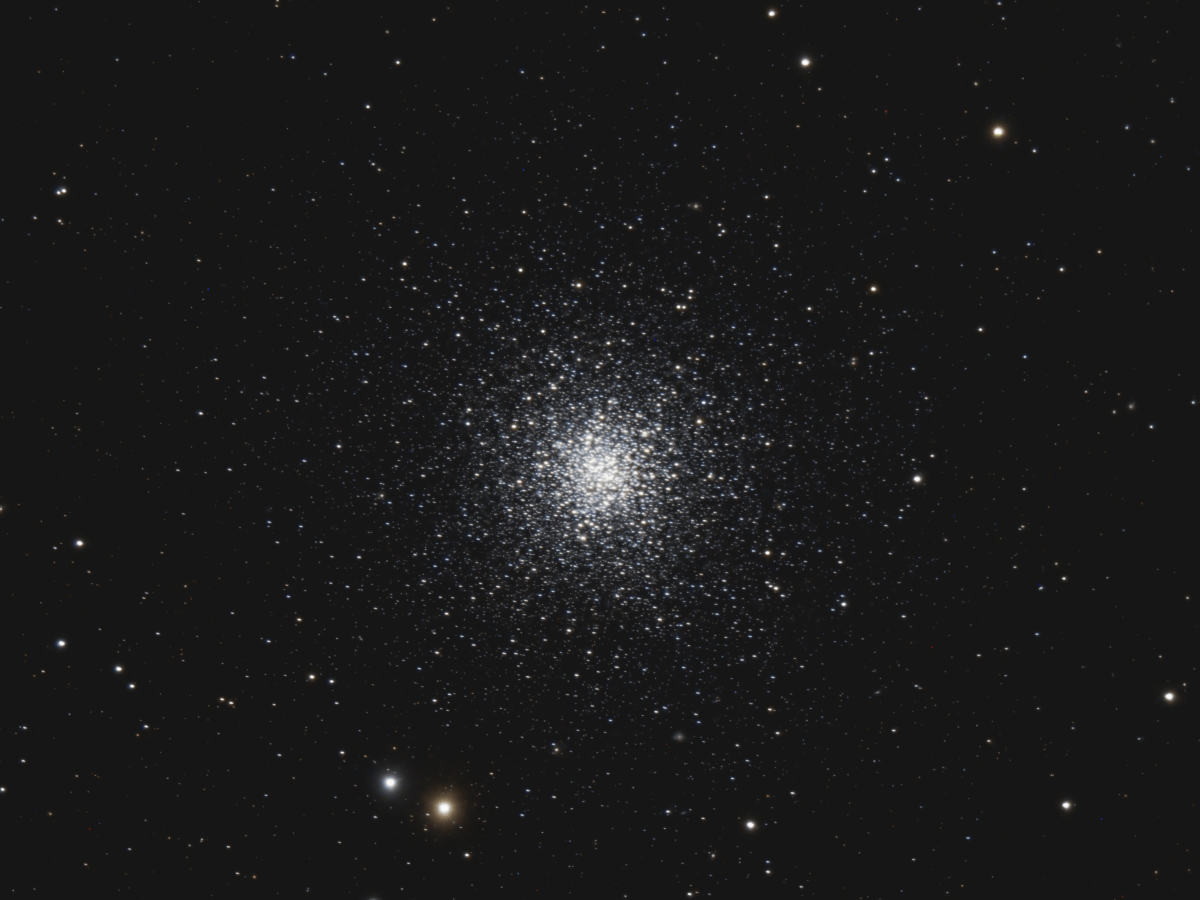
Exploring Globular Clusters: Stellar Fossils of the Universe
The progression from Spring to Summer comes with it the appearance of many globular clusters in the night sky like Messier 53. It was discovered by Johann Elert Bode in 1775 and catalogued by Charles Messier in 1777. Globular clusters are ancient, among the oldest structures in the universe. Most are estimated to have formed…
Keep reading
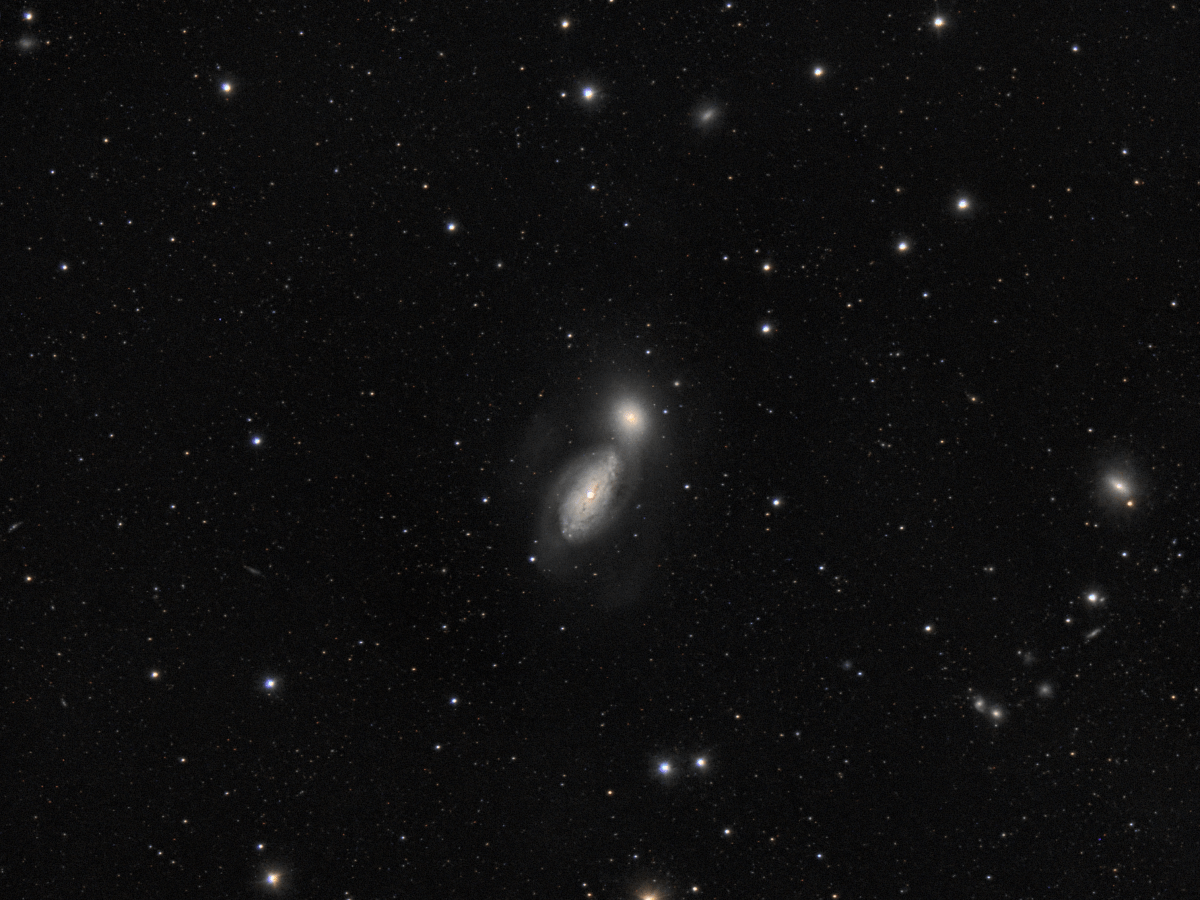
Understanding NGC 3226/3227: A Stellar Dance of Galaxies
Today’s image is a pair of interacting galaxies, NGC 3226 and NGC 3227, also known as APR 94. NGC 3227, the large central spiral is an SAB(s)a, while its companion, NGC 3226 is an E2 elliptical. There is also a string of galaxies to the right of the frame. The brightest one is NGC 3222. …
Keep reading
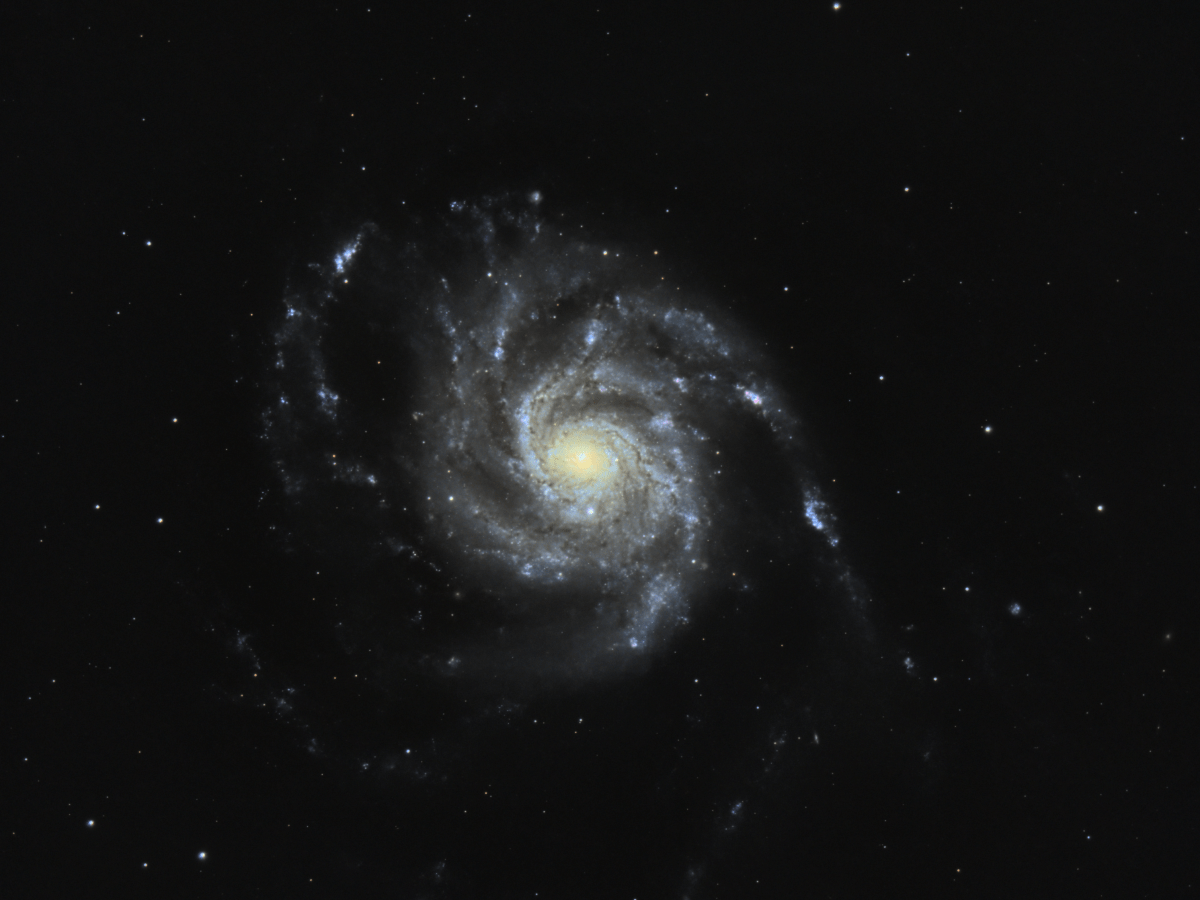
Improving Image Sharpness in Astrophotography
Celestron SCT 8″ with 0.63x reducer Celestron AVX Mount Svboney 50mm guide-scope ZWO ASI 533 MC Pro Camera 240×30 sec subs, 2 hour integration Celestron SCT 8″ with 0.63x reducer ZWO AM5n Mount ZWO Off-axis guider ZWO ASI 533 MC Pro Camera 40×180 sec subs, 2 hour integration I started my serious efforts in photographing…
Keep reading
Something went wrong. Please refresh the page and/or try again.
 Astro-Shed